
Over 60 percent of American adults engage in gambling each year, yet its true impact extends well beyond personal wins or losses. For many American families and communities, gambling shapes mental health, workplace productivity, and even local economies in unexpected ways. By exploring how these games of chance ripple through daily life, you will discover new insights into the hidden influence of gambling across society.
Table of Contents
- What Is Social Impact of Gambling?
- Types of Gambling’s Social Effects
- Legal Regulations in Central Europe
- Risks and Responsible Gaming Practices
- Economic Costs and Community Well-Being
Key Takeaways
| Point | Details |
|---|---|
| Social Impact of Gambling | Gambling affects communities through financial stress, mental health issues, family relationship disruptions, and increased demands on community support systems. |
| Economic Costs | The gambling industry can lead to both job creation and economic challenges due to productivity losses and increased social service expenses. |
| Responsible Gaming Practices | Implementing personal financial limits and utilizing self-exclusion tools are crucial for mitigating gambling-related risks. |
| Regulatory Frameworks | Central European countries focus on comprehensive licensing and consumer protection to balance gambling accessibility and responsible practices. |
What Is Social Impact of Gambling?
Gambling transcends individual experience and ripples through entire social ecosystems, creating complex networks of psychological, economic, and interpersonal consequences. Research on psychosocial impacts reveals that gambling activities fundamentally reshape community dynamics far beyond simple monetary transactions.
At its core, gambling’s social impact manifests through multiple interconnected dimensions. Family structures often bear significant strain when gambling becomes problematic, with potential disruptions in financial stability, emotional relationships, and generational patterns of behavior. Economic consequences emerge through direct monetary losses, increased healthcare utilization, and potential productivity decreases in workplace environments. Comprehensive studies synthesizing problem gambling research demonstrate how these activities can create systemic challenges across healthcare, social services, and community support networks.
The psychological landscape of gambling’s social impact is equally profound. Addiction potential, accessibility through digital platforms, and anonymity of online gambling platforms introduce nuanced behavioral risks. Communities experience indirect effects through increased mental health service demands, potential rises in crime rates associated with financial desperation, and generational transmission of gambling-related behavioral patterns. Understanding these multifaceted social implications requires recognizing gambling not just as an individual activity, but as a complex social phenomenon with wide-ranging systemic consequences.
Key social impact dimensions include:
- Financial stress and potential economic destabilization
- Mental health service utilization
- Family relationship dynamics
- Workplace productivity challenges
- Community support system strain
- Potential increases in addiction-related social services
By examining these intricate social interactions, we can develop more comprehensive approaches to understanding and mitigating gambling’s broader societal effects.
Types of Gambling’s Social Effects
Gambling produces a diverse spectrum of social effects that impact individuals, families, and broader community structures in multifaceted ways. Understanding social gambling dynamics reveals complex interactions between behavioral patterns and societal consequences.
Economic Social Effects manifest through several critical channels. Financial strain emerges as individuals redirect personal and family resources toward gambling activities, potentially compromising household stability. Workplace productivity declines occur when gambling-related stress, addiction, or financial challenges distract employees from professional responsibilities. Communities may experience indirect economic impacts through increased social service demands, potential tax burden shifts, and reduced overall economic productivity.

Psychosocial effects represent another profound dimension of gambling’s social landscape. Mental health challenges frequently accompany problematic gambling behaviors, creating ripple effects across interpersonal relationships and community support systems. Families experience emotional disruption, trust erosion, and potential relationship breakdowns. Addiction transmission risks emerge, where gambling behaviors potentially transfer across generational lines, creating long-term behavioral patterns.
Key social effect categories include:
- Direct financial consequences
- Mental health and psychological impacts
- Family relationship disruptions
- Workplace performance challenges
- Community support system pressures
- Potential increases in social service utilization
By recognizing these nuanced social effects, communities can develop more targeted interventions and support mechanisms to mitigate gambling’s potentially destructive social consequences.
Legal Regulations in Central Europe
Central European countries have developed increasingly sophisticated regulatory frameworks to address the complex landscape of online gambling and betting activities. Recent regulatory changes in the European iGaming sector demonstrate a nuanced approach to balancing consumer protection with industry development.
Licensing Requirements form the cornerstone of Central European gambling regulations. Countries in this region have implemented stringent protocols that demand comprehensive background checks, financial transparency, and robust consumer protection mechanisms for gambling operators. Detailed regulatory frameworks outline specific licensing requirements that include financial guarantees, technological security standards, and ongoing compliance monitoring. These requirements aim to prevent fraud, protect consumer interests, and maintain the integrity of gambling platforms.
The regulatory landscape focuses on several critical dimensions of consumer and social protection. Age verification processes have become increasingly sophisticated, with strict penalties for platforms failing to implement robust identification mechanisms. Advertising restrictions have also tightened, limiting aggressive marketing tactics that might target vulnerable populations. Mental health considerations play a significant role, with regulations mandating responsible gambling features such as self-exclusion options, spending limits, and mandatory information about addiction resources.
Key regulatory focus areas include:
- Comprehensive licensing protocols
- Strict age verification requirements
- Advertising content restrictions
- Mandatory responsible gambling features
- Consumer protection mechanisms
- Technological security standards
By implementing these multifaceted regulatory approaches, Central European countries seek to create a balanced ecosystem that protects individual consumers while allowing controlled and responsible gambling activities.
Risks and Responsible Gaming Practices
Research on gambling behaviors demonstrates that responsible gaming is a critical strategy for mitigating potential psychological and financial risks associated with gambling activities. Understanding and implementing proactive protective measures can significantly reduce the likelihood of developing problematic gambling patterns.
Psychological Risks represent a significant concern in the gambling ecosystem. Internet gambling’s unique accessibility creates complex psychosocial challenges that require comprehensive intervention strategies. The anonymity and constant availability of online platforms can accelerate addiction potential, making self-regulation and external support mechanisms crucial for maintaining healthy gambling behaviors.
Responsible gaming practices encompass a holistic approach to risk management. Key strategies include setting strict personal financial limits, utilizing self-exclusion tools, maintaining transparent tracking of gambling activities, and recognizing early warning signs of addictive behaviors. Mental health professionals recommend establishing clear boundaries, maintaining open communication with support networks, and seeking professional help when gambling begins to negatively impact personal or professional life.
Critical responsible gaming practices include:
- Establishing personal financial spending limits
- Implementing self-exclusion mechanisms
- Regular self-assessment of gambling behaviors
- Maintaining transparent activity tracking
- Seeking professional support when needed
- Understanding personal psychological triggers
By embracing these comprehensive approaches, individuals can enjoy gambling as a form of entertainment while minimizing potential negative psychological and financial consequences.
Economic Costs and Community Well-Being
Comprehensive analysis of gambling’s economic and social impacts reveals a complex web of interconnected consequences that extend far beyond individual financial transactions. Communities experience multifaceted economic transformations that simultaneously create opportunities and introduce significant challenges.
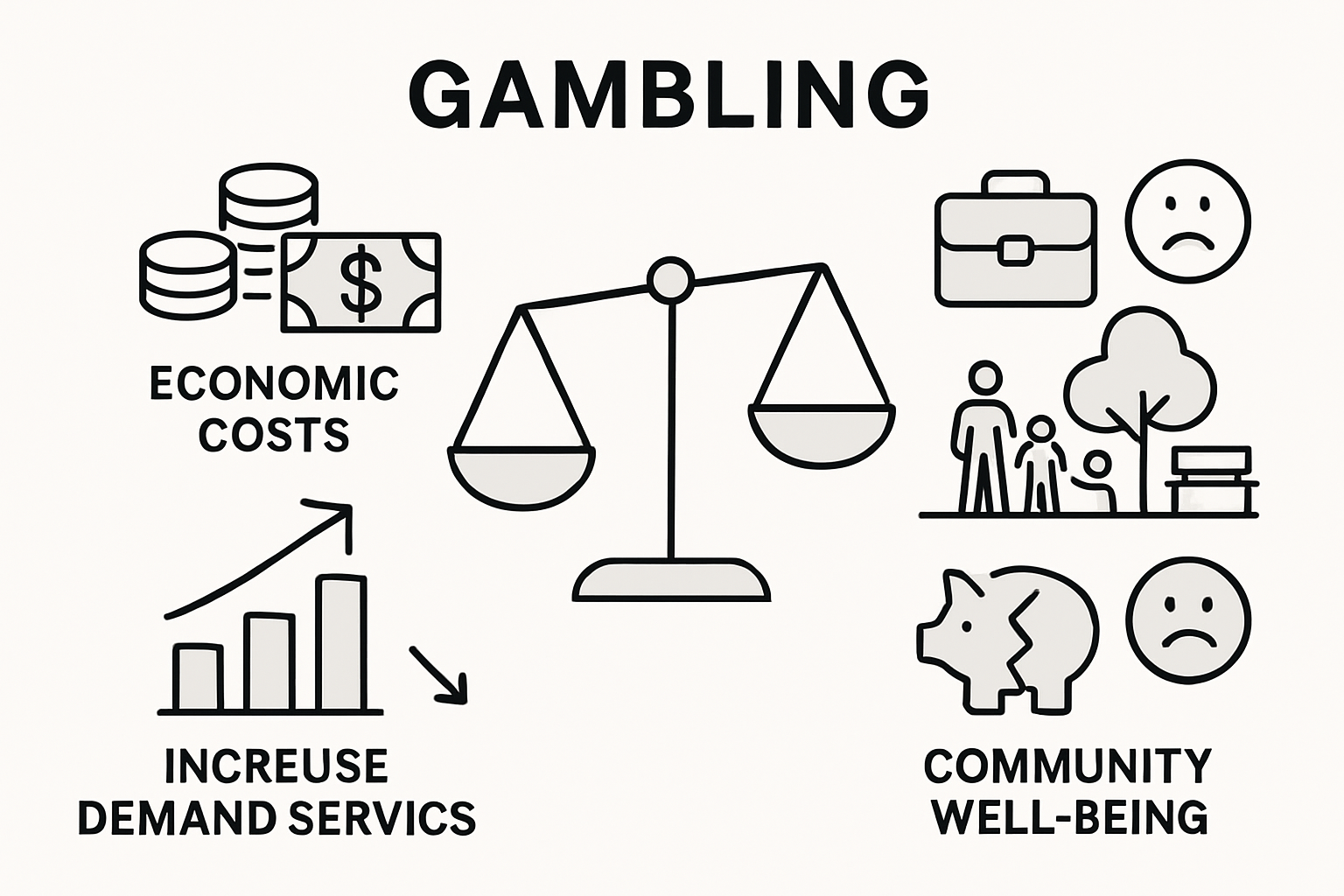
Employment Dynamics represent a critical dimension of gambling’s economic influence. Casino gambling’s employment impact demonstrates nuanced economic shifts where job creation in specific sectors can be accompanied by potential declines in other economic areas. The gambling industry generates direct employment through casino operations, support services, and related entertainment sectors, while potentially redirecting workforce resources from traditional economic activities.
Economic costs manifest through several interconnected channels. Government tax revenues may increase, but these gains can be offset by elevated social service expenses related to addiction treatment, mental health support, and potential criminal justice interventions. Indirect economic consequences include potential productivity losses, increased healthcare utilization, and complex family economic disruptions caused by problematic gambling behaviors.
Key economic impact dimensions include:
- Direct and indirect employment generation
- Government tax revenue fluctuations
- Social service cost increases
- Workforce productivity challenges
- Healthcare system resource allocation
- Potential criminal justice system expenses
Understanding these intricate economic interactions allows communities to develop more comprehensive strategies for managing gambling’s complex economic ecosystem.
Protect Your Community and Play Responsibly with Betco AG
The social impact of gambling extends beyond individual players affecting families and entire communities with financial and psychological challenges. At Betco AG, we understand these risks and prioritize helping players enjoy gaming safely by offering robust responsible gaming options. Explore our Responsible Gambling and Security | Betco resources designed to empower you with control over your play while maintaining entertainment.

Take charge of your gambling experience today by visiting Betco AG. Whether you enjoy our extensive selection of casino games or live sports betting, you can access tools for setting limits and tracking your activity to protect yourself and your community. Start playing responsibly now and be part of a safer gaming environment.
Frequently Asked Questions
What are the main social impacts of gambling on communities?
The main social impacts of gambling include financial stress on families, mental health challenges, disruptions in family relationships, workplace productivity issues, and strain on community support systems.
How does gambling affect mental health in communities?
Gambling can lead to increased mental health service demands due to addiction issues, anxiety, and depression, which can ripple through families and affect community well-being.
What measures can be taken to promote responsible gambling?
Promoting responsible gambling includes setting personal financial limits, using self-exclusion tools, tracking gambling activities, recognizing addictive behaviors, and seeking professional help when necessary.
How does gambling impact economic stability in communities?
Gambling can create economic opportunities through job creation but may lead to economic destabilization due to increased healthcare costs, productivity losses, and social service demands related to addiction.