
Over one in five American adults now places at least one sports bet each year, yet only a minority set clear personal limits before wagering. With the convenience of online platforms, it is easier than ever for American bettors to lose track of spending and fall into risky habits. This practical guide shows how setting boundaries, budgeting, and routine can help you enjoy betting as safe, responsible entertainment—highlighting simple steps backed by proven financial advice.
Table of Contents
- Step 1: Set Clear Betting Limits
- Step 2: Establish A Realistic Budget
- Step 3: Develop Consistent Betting Routines
- Step 4: Track And Analyze Your Bets
- Step 5: Adjust Strategies Based On Results
Quick Summary
| Key Insight | Explanation |
|---|---|
| 1. Set Defined Betting Limits | Establish clear betting limits to protect your bankroll and maintain financial discipline. |
| 2. Create a Realistic Budget | Allocate only a small percentage of your disposable income for betting to ensure stability. |
| 3. Develop Consistent Routines | Maintain structured betting habits to prevent impulsive decisions and emotional betting. |
| 4. Track Your Betting Performance | Systematically record and analyze your bets to identify patterns and improve strategies. |
| 5. Adjust Strategies as Needed | Reassess your approach if losses occur and make informed adjustments based on past performance. |
Step 1: Set Clear Betting Limits
Establishing clear betting limits is your first line of defense in maintaining financial discipline and preventing potential gambling problems. When you create structured boundaries for your betting activities, you protect both your bankroll and your overall financial health.
Start by calculating a realistic betting budget based on your disposable income. Financial experts recommend allocating only 1-5% of your monthly disposable earnings to betting, which provides a responsible framework for managing your gambling expenses. For example, if you earn $1,000 monthly, your betting budget should range between $10 and $50. This approach ensures you never risk money critical for living expenses.
To reinforce your limits, leverage account level controls like deposit caps, wager restrictions, and session time limits. Most betting platforms offer tools that allow you to predefine maximum daily, weekly, and monthly spending thresholds. These built-in safeguards help you stay accountable and prevent impulsive betting behavior. By proactively setting these boundaries, you transform gambling from a potentially risky activity into a controlled form of entertainment.
Warning: Never chase losses or adjust your predetermined limits in the heat of the moment. Your preset boundaries are designed to protect you from emotional decision making.
Step 2: Establish a Realistic Budget
Creating a realistic betting budget is more than just setting aside money it is about strategically managing your financial resources to ensure responsible gambling. Your goal is to allocate funds that you can comfortably lose without disrupting your essential financial obligations.
Financial experts recommend treating gambling as an entertainment expense and calculating a budget based on a small percentage of your annual income. For instance, if you earn $70,000 annually, a responsible gambling budget might be around $700 per year or approximately $58 monthly. This approach helps you maintain financial stability while enjoying betting as a controlled recreational activity.
Utilizing built-in monitoring features on gambling platforms can help you adhere to your predetermined budget limits. Many sites offer tools to track spending, set alerts, and prevent you from exceeding your planned expenditure. Always separate your gambling funds from money needed for critical expenses like rent, utilities, and groceries.
Warning: Never borrow money or use credit to fund your betting activities. A realistic budget means using only disposable income that you can afford to lose without financial consequences.
Step 3: Develop Consistent Betting Routines
Developing consistent betting routines is crucial for maintaining discipline and managing your gambling activities effectively. By establishing structured approaches to your betting, you create a systematic framework that helps prevent impulsive decisions and emotional betting.
Creating a dedicated betting account helps separate your gambling funds from personal finances, ensuring better financial management and tracking. This approach allows you to treat your betting budget as a discrete entertainment expense, much like a monthly subscription or recreational activity. Consider setting up a separate e-wallet or bank account specifically for your betting activities to maintain clear financial boundaries.

Maintaining detailed transaction records and consistently tracking your betting performance will help you develop more disciplined gambling habits. Implement a routine where you review your betting history weekly, analyzing your wins, losses, and overall strategy. This practice not only provides financial transparency but also helps you identify patterns in your betting behavior and make more informed decisions.
Warning: Never mix your betting funds with essential living expenses or emergency savings. Consistent routines are about creating sustainable, responsible gambling practices that protect your financial well-being.
Step 4: Track and Analyze Your Bets
Tracking and analyzing your betting performance is a critical skill that transforms gambling from a game of chance into a strategic activity. By systematically recording and reviewing your betting history, you gain valuable insights into your betting patterns, strengths, and areas for improvement.
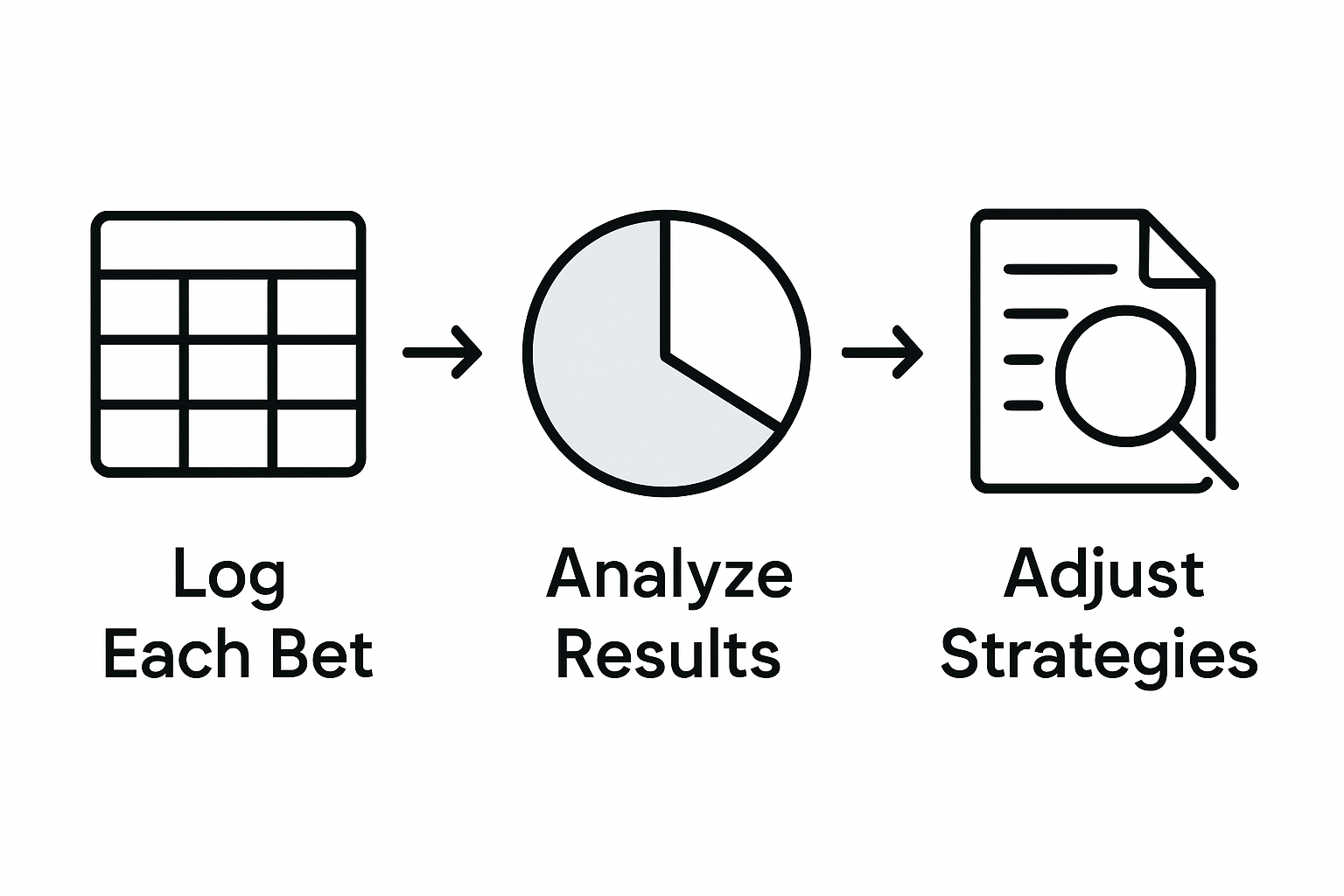
Creating a detailed spreadsheet or using a dedicated tracking app helps increase awareness and reduces impulsive betting behaviors. Document every bet with key details including date, sport, type of bet, amount wagered, odds, outcome, and net profit or loss. This comprehensive approach allows you to identify trends, understand your performance across different betting categories, and make data driven decisions.
Leverage betting tracking tools to analyze your match statistics and betting performance by reviewing metrics like win rate, return on investment, and consistent profit margins. Look for patterns in your betting strategy such as which sports or bet types yield the most consistent results. Regular analysis helps you refine your approach, eliminate ineffective betting strategies, and gradually improve your overall performance.
Warning: Tracking is not just about numbers it is about honest self reflection. Be prepared to acknowledge and learn from your betting mistakes to develop more disciplined gambling habits.
Step 5: Adjust Strategies Based on Results
Successful betting requires continuous learning and strategic adaptation. Your ability to analyze past performance and modify your approach accordingly separates disciplined bettors from impulsive gamblers who repeat the same mistakes.
When your bankroll shows consistent depletion, it is crucial to pause and reevaluate your betting strategies instead of continuing to place wagers. This might mean reducing bet sizes, focusing on sports or bet types where you demonstrate more consistent success, or temporarily stepping back to reassess your overall approach. Financial discipline means having the self control to recognize when your current strategy is not working.
Conducting thorough research and understanding the unpredictable nature of sports events will help you make more informed strategic adjustments. Look for patterns in your betting history such as which sports you predict more accurately, which bet types yield better returns, and at what times or under what conditions your predictions are most successful. This analytical approach transforms betting from random chance to a more calculated activity.
Warning: Adjusting strategies is not about chasing losses. It is about making incremental, data driven improvements that protect your financial well being and maintain betting as an enjoyable recreational activity.
Master Betting Discipline for Better Results with Betco AG
Struggling to keep your betting disciplined and consistently profitable can be frustrating. This guide highlights key challenges like setting clear betting limits, tracking your bets, and adjusting strategies for smarter wagering. At Betco AG, we understand these pain points and provide tools tailored for responsible and strategic betting. Explore our Responsible Gambling and Security | Betco resources to learn how to protect your bankroll while enjoying your favorite sports.

Take control now by joining Betco AG, where smart bettors access live betting markets, detailed transaction histories, and account features designed to support disciplined betting routines. Visit Betco AG to start wagering wisely today. Learn more tips from our expert team by visiting our Sports Betting Guides and Resources | Betco category and turn your betting into a rewarding and responsible experience.
Frequently Asked Questions
How can I set clear betting limits?
Establish clear betting limits by allocating only 1-5% of your monthly disposable income to gambling. For example, if your income is $1,000, set a limit between $10 and $50. This approach helps you stick to a budget and protects your financial health.
What should I include in my realistic betting budget?
A realistic betting budget should be based on a small percentage of your annual income. If you earn $70,000 annually, consider a budget of around $700 per year or $58 monthly. Always separate this budget from essential expenses like rent or groceries to ensure financial stability.
How do I develop consistent betting routines?
Develop consistent betting routines by creating a dedicated betting account to separate your gambling funds from personal finances. Consider reviewing your betting history weekly to analyze wins and losses, which will help you establish disciplined habits.
Why is it important to track and analyze my bets?
Tracking and analyzing your bets is crucial for identifying patterns and improving your betting strategies. Document every bet’s details and review metrics like win rate and return on investment regularly to make informed decisions and refine your approach.
How can I adjust my betting strategies based on results?
Adjust your betting strategies by evaluating your performance to spot consistent patterns or issues. If your bankroll is depleting, consider reducing bet sizes or focusing on sports where you have shown more success. Make these adjustments to protect your financial well-being and enhance your betting discipline.