
Over 80 percent of American adults have tried some form of online gambling, making this a pivotal topic for anyone interested in the evolving landscape of digital wagering. With the rise of instant-access casino games and real-time sports betting, understanding what defines legal online gambling goes far beyond simply placing a bet. This guide explains the crucial legal basics, regulatory models, player protections, and financial impacts shaping the american online gambling experience today.
Table of Contents
- Defining Online Gambling And Legal Basics
- Different Regulatory Models For Gambling
- Licensing And Compliance Requirements Explained
- Player Protections And Responsible Gaming Laws
- Financial Impacts: Taxes, Winnings, And Penalties
Key Takeaways
| Point | Details |
|---|---|
| Understanding Online Gambling | Online gambling involves real money wagering through various digital platforms and requires regulation based on chance, stake, and potential prize. |
| Regulatory Approaches | Different jurisdictions adopt diverse regulatory models such as licensing, monopolies, and prohibitions to balance consumer protection and industry growth. |
| Compliance and Licensing | Licensing ensures operational safety and integrity in online gambling, necessitating strict compliance with regulations and ongoing monitoring. |
| Player Protection Mechanisms | Responsible gaming laws enforce mandatory measures to safeguard players, including self-exclusion options and financial transaction monitoring. |
Defining Online Gambling And Legal Basics
Online gambling represents a complex digital ecosystem where individuals wager real money through internet platforms, encompassing diverse activities like sports betting, casino games, poker, and virtual gambling experiences. Legal definitions of gambling critically examine three fundamental components: chance, stake, and potential prize, which determine whether an activity qualifies as legal gambling.
The legal landscape of online gambling involves intricate regulatory frameworks designed to balance consumer protection with industry development. Jurisdictional approaches to gambling regulation demonstrate significant variations across different regions, with some markets embracing digital wagering while others maintain strict prohibitions. These regulatory strategies aim to mitigate potential risks such as addiction, financial fraud, and underage participation.
At its core, online gambling involves several key characteristics that distinguish it from traditional gambling:- Digital platform accessibility- Real-time wagering capabilities- Immediate transaction processing- Diverse game and betting options- Advanced security protocolsUnderstanding the legal nuances requires recognizing that gambling definitions extend beyond simple monetary transactions. Social gambling platforms represent emerging models that challenge traditional regulatory frameworks, introducing complex questions about skill, chance, and legal classification. Jurisdictions worldwide continuously adapt their legal frameworks to address these technological innovations and emerging gambling paradigms.
Different Regulatory Models For Gambling
Online gambling regulation represents a complex spectrum of approaches that vary dramatically across different jurisdictions. Regulatory systems for online gambling typically encompass four primary models: free market approaches, comprehensive licensing frameworks, state monopolies, and outright prohibitions. Each model reflects unique socioeconomic considerations and policy objectives designed to balance consumer protection with industry development.
The licensing model emerges as the most prevalent regulatory strategy, where governments establish strict operational guidelines and grant legal permissions to gambling platforms. Impact of betting regulations demonstrates how these frameworks aim to create controlled environments that protect players while generating significant tax revenue. Governments implementing these models typically require operators to meet rigorous standards including:
- Financial transparency
- Player protection mechanisms
- Age verification protocols
- Anti-money laundering compliance
- Responsible gambling initiatives
Some jurisdictions adopt more restrictive approaches, with state monopolies representing a unique regulatory model where government entities exclusively control gambling operations. Portugal’s regulatory policy exemplifies how nations can develop nuanced frameworks that align with broader economic and social objectives. These models continuously evolve, reflecting technological advancements, changing social attitudes, and the dynamic nature of digital gambling platforms.

Licensing And Compliance Requirements Explained
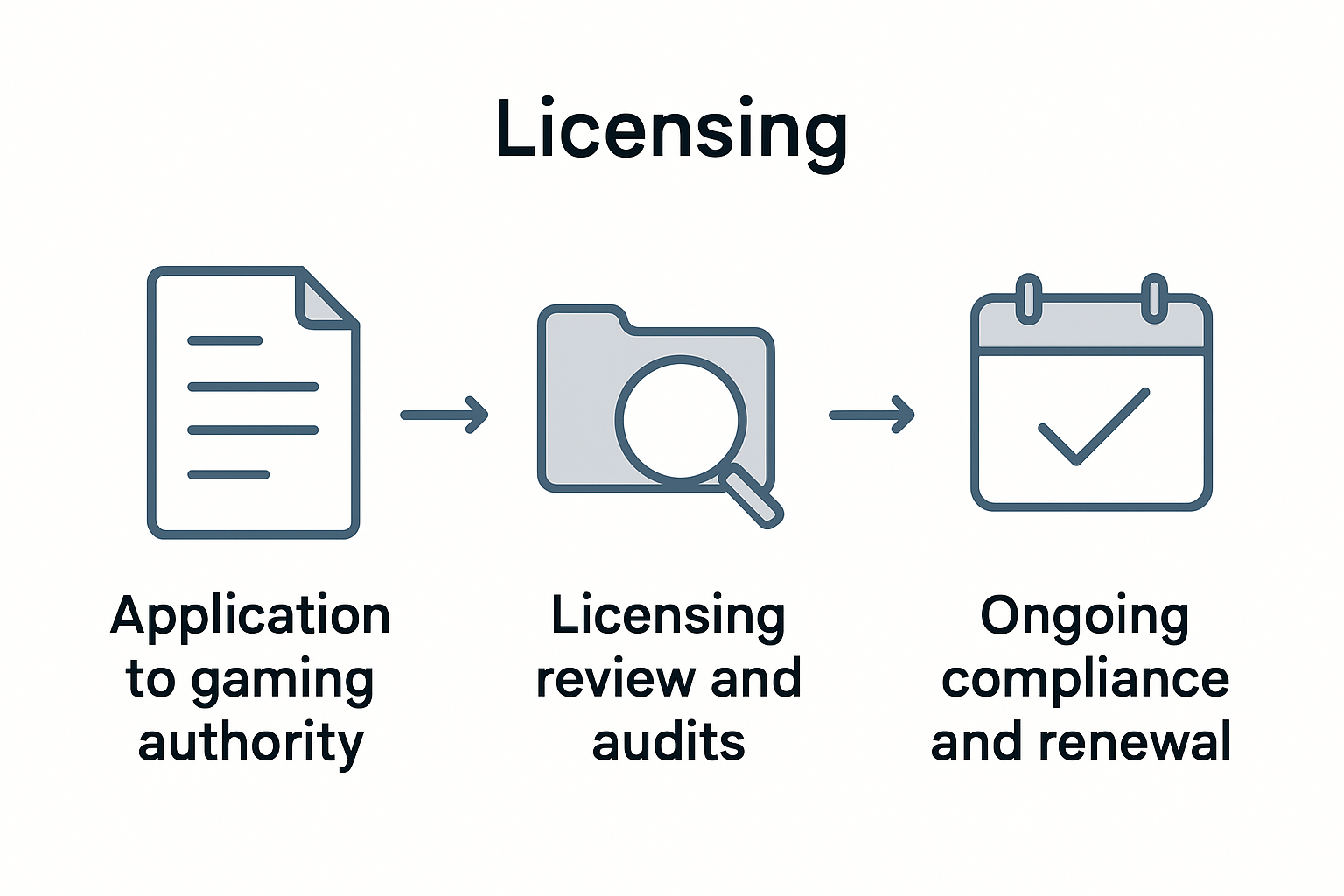
Licensing represents the cornerstone of legal online gambling operations, establishing a comprehensive framework that ensures player safety, financial integrity, and responsible gaming practices. Gaming authorities like the Malta Gaming Authority implement rigorous regulatory mechanisms that scrutinize every aspect of online gambling platforms, from operational procedures to financial transactions and player protections.
The compliance process involves multiple critical layers of verification and ongoing monitoring. Online gambling operators must demonstrate:
- Robust financial stability
- Transparent operational practices
- Comprehensive player protection protocols
- Advanced cybersecurity infrastructure
- Strict age and identity verification systems
National gaming authorities typically require detailed documentation and periodic audits to maintain licensing status. Regulatory compliance extends beyond initial approval, demanding continuous adaptation to evolving legal standards and technological innovations. Operators must maintain meticulous records, implement responsible gambling tools, and develop sophisticated systems that prevent fraudulent activities while protecting vulnerable players. Failure to meet these stringent requirements can result in substantial financial penalties, license suspension, or complete operational prohibition.
Player Protections And Responsible Gaming Laws
Responsible gaming laws represent a critical framework designed to protect players from potential gambling-related harm and establish comprehensive safeguards within the online gambling ecosystem. European policies on gambling limit-setting demonstrate a sophisticated approach to preventing gambling addiction and mitigating financial risks through targeted regulatory interventions.
Key player protection mechanisms typically include:
- Mandatory self-exclusion options
- Deposit and betting limit controls
- Age verification systems
- Transparent communication about gambling risks
- Financial transaction monitoring
- Accessible problem gambling resources
The European Gaming and Betting Association has been instrumental in developing industry standards that prioritize consumer protection. Responsible gambling tools go beyond mere regulatory compliance, focusing on creating a sustainable ecosystem that balances entertainment with player safety. Responsible gambling tools for safe betting provide players with proactive mechanisms to manage their gambling behaviors, including real-time spending tracking, personalized risk assessments, and immediate access to counseling resources.
Modern responsible gaming laws recognize gambling as a complex behavioral activity requiring nuanced intervention strategies. These regulations mandate that gambling platforms implement sophisticated technological and psychological safeguards, transforming the industry from a purely entertainment-driven model to a more ethical, user-centric approach that prioritizes individual well-being over potential profits.
Financial Impacts: Taxes, Winnings, And Penalties
Gambling taxation represents a complex financial ecosystem where regulatory bodies strategically manage revenue generation and player earnings. Swiss Gambling Supervisory Authority guidelines demonstrate how governments leverage gambling activities as significant economic instruments, directing substantial revenues back into public infrastructure and social programs.
Key financial considerations in online gambling include:
- Taxation rates on gambling winnings
- Reporting thresholds for significant earnings
- Withholding requirements for professional gamblers
- Penalties for undeclared gambling income
- Cross-jurisdictional tax implications
- Compliance reporting mechanisms
Malta Gaming Authority’s regulatory framework provides comprehensive insights into how gambling platforms must navigate intricate financial regulations. Winnings taxation varies dramatically across jurisdictions, with some regions treating gambling income as taxable revenue while others maintain more lenient approaches. How odds affect payout directly influences the potential financial outcomes for players, making understanding these complex regulations crucial for responsible participation.
Penalties for non-compliance can be severe, ranging from substantial monetary fines to potential legal prosecution. Gambling platforms and individual players must maintain meticulous financial records, accurately report earnings, and understand the specific tax obligations within their respective jurisdictions to avoid potential financial and legal repercussions.
Navigate Online Gambling Laws with Confidence at Betco AG
Understanding how laws shape your online gambling experience is critical to enjoying the games safely and legally. This article highlights challenges such as complex licensing requirements, responsible gaming laws, and financial regulations that can feel overwhelming. If you want to engage in online casino games and sports betting within a regulated and secure environment that prioritizes your protection and compliance, it is essential to choose a platform built with these considerations at its core.
At Betco AG, we bridge the gap between legal understanding and safe gambling fun. Explore our comprehensive range of Online Casino Games backed by strong security and compliance measures. We also provide tools and resources focused on responsible play in the Responsible Gambling and Security section to help you stay in control while enjoying the thrill of wagering.

Start your journey now on a trusted platform that respects the laws affecting online gambling while delivering a top-notch gaming experience. Visit Betco AG and take full advantage of a secure, licensed environment designed to protect your interests every step of the way.
Frequently Asked Questions
What is online gambling and how is it defined legally?
Online gambling is the act of wagering real money through internet platforms, which includes activities like sports betting and casino games. Legally, it is defined based on three components: chance, stake, and potential prize.
What are the different regulatory models for online gambling?
The primary regulatory models for online gambling include free market approaches, comprehensive licensing frameworks, state monopolies, and outright prohibitions. Each model has unique policy objectives aimed at balancing consumer protection and industry growth.
What are the licensing and compliance requirements for online gambling operators?
Online gambling operators must meet several requirements, including financial stability, player protection protocols, and age verification systems. Compliance includes ongoing documentation, periodic audits, and adherence to responsible gambling initiatives.
How do responsible gaming laws protect players?
Responsible gaming laws establish mechanisms like mandatory self-exclusion options, age verification systems, and financial transaction monitoring to protect players from potential gambling-related harms, aiming to balance entertainment with player safety.