
Over eight million American adults experience serious gambling-related problems each year, yet misconceptions about this issue continue to circulate. Many believe gambling addiction is just a lack of self-control, overlooking its deep psychological and neurological roots. Understanding how the brain responds to gambling can reveal why this disorder is so complex. This guide untangles fact from fiction, helping readers recognize, prevent, and respond to gambling addiction with informed awareness.
Table of Contents
- Defining Gambling Addiction And Common Misconceptions
- How Gambling Affects Brain Reward Systems
- Types Of Gambling And Risk Profiles
- Psychological And Environmental Triggers
- Recognizing And Preventing Problem Gambling
Key Takeaways
| Point | Details |
|---|---|
| Understanding Gambling Addiction | Gambling addiction is a serious mental health disorder, driven by neurological factors, and not merely a lack of willpower. |
| Neurological Impact | Compulsive gambling behaviors affect brain reward systems, similar to substance addiction, making self-control increasingly difficult. |
| Prevention and Recognition | Effective prevention and early recognition of problem gambling require awareness of psychological triggers and behavioral signals. |
| Diverse Risk Profiles | Different types of gambling present varying levels of risk, influenced by factors such as game design and accessibility. |
Defining Gambling Addiction and Common Misconceptions
Gambling addiction is a complex psychological disorder characterized by compulsive betting behaviors that significantly disrupt an individual’s personal and professional life. Unlike casual gambling, addiction involves a persistent pattern of gambling despite negative consequences, driven by neurological mechanisms that override rational decision making. Gambling disorder is not simply a lack of willpower, but a recognized mental health condition with intricate psychological and neurological components.
Research from neuroscientific studies reveals that gambling addiction shares striking similarities with substance use disorders. Neurological patterns underlying impulsive behaviors demonstrate how repeated gambling experiences can rewire brain reward circuits, creating powerful compulsive patterns. These neurological changes explain why individuals continue gambling even when they intellectually understand the financial and personal risks involved.
Common misconceptions about gambling addiction often minimize its severity. Many people erroneously believe addiction is a choice or a sign of personal weakness. However, comprehensive public health strategies highlight that gambling disorder is a complex condition involving multiple factors:
- Genetic predispositions
- Psychological vulnerabilities
- Environmental triggers
- Neurochemical imbalances
Understanding these nuanced factors is crucial for developing effective prevention and treatment approaches that address the multifaceted nature of gambling addiction.
How Gambling Affects Brain Reward Systems
The human brain’s reward system is a complex neurological mechanism that plays a crucial role in understanding gambling addiction. Dopamine pathways are central to this process, creating powerful neurochemical responses that drive compulsive betting behaviors. Large-scale brain network investigations reveal how gambling stimuli activate specific neural circuits associated with pleasure and anticipation, triggering intense neurological responses that can override rational decision-making processes.
Neuroimaging studies demonstrate that gambling experiences generate similar brain activation patterns to those observed in substance addiction. When individuals engage in betting, their brain releases dopamine in anticipation of potential rewards, creating a powerful neurochemical feedback loop. Differential neural reward processes show that repeated gambling experiences can progressively alter brain structure, making it increasingly difficult for individuals to control their betting impulses.
The neurological mechanisms behind gambling addiction are particularly complex. Key brain regions involved include:
- Prefrontal cortex (responsible for impulse control)
- Nucleus accumbens (primary reward processing center)
- Amygdala (emotional regulation)
- Ventral tegmental area (dopamine production)
These interconnected regions work together to create a sophisticated reward system that can be hijacked by gambling’s intense stimuli, explaining why some individuals become more vulnerable to addiction than others. Understanding these neural pathways is crucial for developing targeted interventions and treatment strategies.
Types of Gambling and Risk Profiles
Gambling encompasses a diverse range of activities, each presenting unique psychological and behavioral risks. Online gambling risk profiles reveal significant variations in addiction potential across different gambling formats, demonstrating that not all gambling experiences carry equal risk. Gambling types can be broadly categorized into several key segments, including sports betting, casino games, online poker, lottery games, and emerging digital gambling platforms.

Digital platforms have introduced complex new dimensions to gambling risk assessment. Gambling-like features in interactive media demonstrate how seemingly innocuous gaming mechanisms can trigger addictive behavioral patterns. For instance, video game loot boxes and microtransactions now blur the lines between entertainment and gambling, creating novel risk environments that challenge traditional understanding of gambling addiction.
Risk profiles for different gambling types vary significantly based on several critical factors:
- Frequency of potential wins
- Speed of game progression
- Financial stakes involved
- Level of skill required
- Psychological engagement mechanisms
- Accessibility and convenience
Some gambling formats pose higher addiction risks due to their design. Rapid-response games like online slots and instant-win digital platforms create more intense neurological stimulation, potentially accelerating addiction development compared to slower-paced gambling activities. Understanding these nuanced risk profiles is crucial for developing targeted prevention and intervention strategies.
Psychological and Environmental Triggers
Gambling addiction emerges from a complex interplay of psychological vulnerabilities and environmental stimuli. Reward-based decision-making processes reveal how individual sensitivity to punishment and anticipation can dramatically influence gambling behaviors. Psychological triggers often stem from underlying emotional states, including stress, depression, anxiety, and a profound desire to escape negative life circumstances.
Environmental factors play an equally critical role in gambling addiction development. Personalized communication strategies demonstrate how targeted messaging and contextual cues can significantly impact an individual’s gambling severity. Social environments, including peer pressure, normalized gambling behaviors, and exposure to gambling advertisements, create powerful external triggers that can push vulnerable individuals toward compulsive betting.
Key psychological and environmental triggers include:
- Chronic stress and emotional instability
- Financial pressures and economic uncertainty
- Social isolation and loneliness
- Unresolved trauma or mental health challenges
- Proximity to gambling establishments
- Cultural attitudes normalizing gambling
- Persistent marketing and promotional strategies
The intricate relationship between individual psychological states and environmental conditions creates a dynamic ecosystem that can either mitigate or accelerate gambling addiction risks. Understanding these nuanced interactions is crucial for developing comprehensive prevention and intervention strategies that address both internal psychological mechanisms and external contextual influences.
Recognizing and Preventing Problem Gambling
Identifying problem gambling requires understanding subtle behavioral patterns and psychological signals that indicate escalating risk. Advanced digital text analysis techniques now provide sophisticated methods for detecting potential gambling addiction through communication patterns, revealing how individuals unconsciously signal their compulsive behaviors through language and digital interactions.
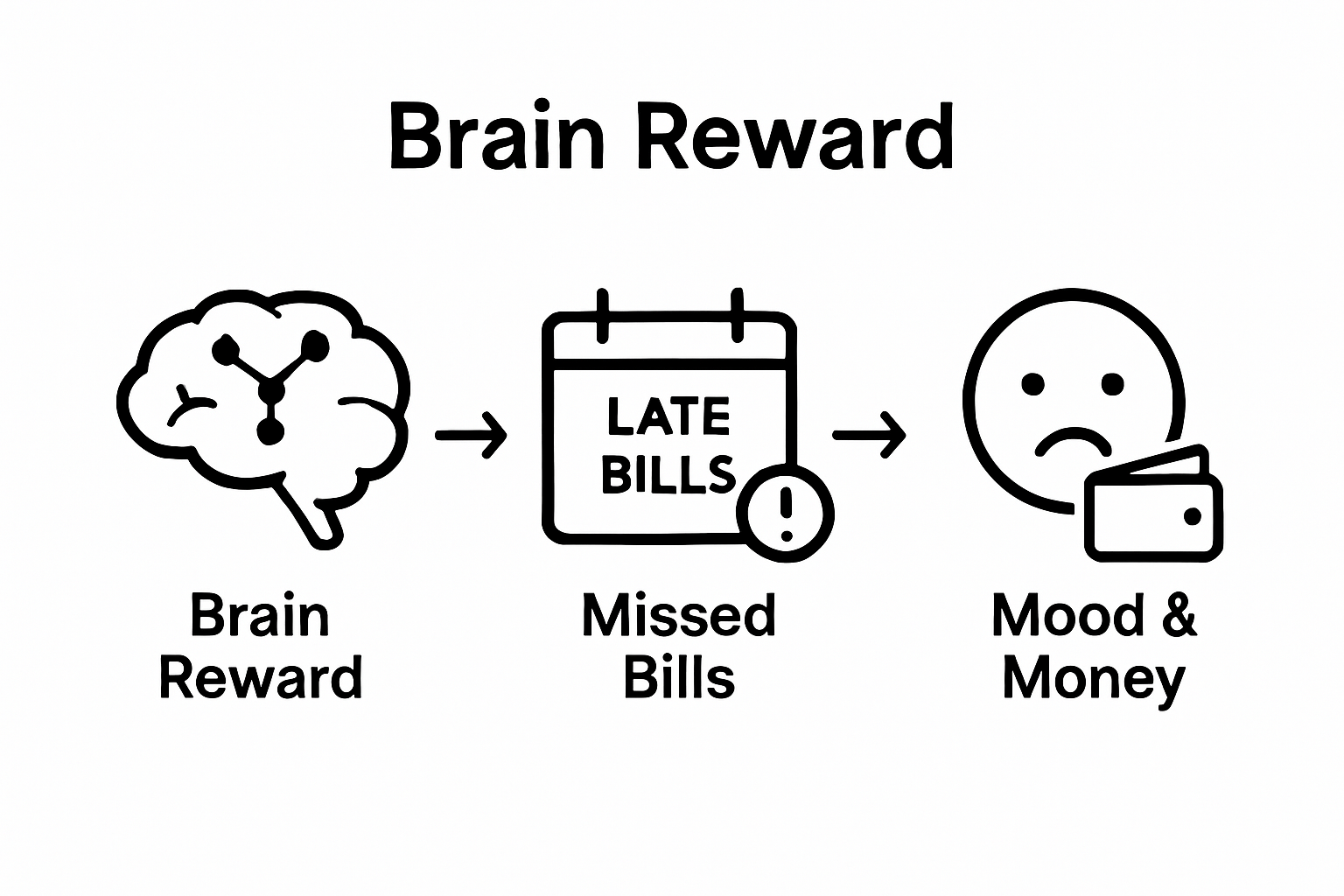
Prevention strategies must be comprehensive and multifaceted, addressing both individual vulnerabilities and systemic gambling environment challenges. Self-exclusion programs represent a critical intervention mechanism, allowing individuals to proactively limit their gambling access by voluntarily restricting participation across multiple platforms and physical establishments. These programs empower individuals to take direct control of their gambling behaviors before addiction fully manifests.
Key warning signs of potential gambling problems include:
- Persistent preoccupation with gambling activities
- Increasing financial risks to support gambling
- Lying about gambling frequency or losses
- Borrowing money or selling assets to gamble
- Experiencing mood swings related to gambling outcomes
- Neglecting personal or professional responsibilities
- Continuing to gamble despite significant personal consequences
Effective prevention requires a holistic approach that combines personal awareness, supportive interventions, technological monitoring, and accessible mental health resources. Recognizing early warning signs and implementing proactive strategies can significantly reduce the potential for long-term gambling addiction and its associated negative life impacts.
Take Control While Enjoying the Thrill Responsibly
Understanding why gambling is addictive helps reveal the hidden challenges many players face, such as intense dopamine-driven urges and emotional triggers that override rational thinking. These factors can lead to compulsive behaviors that undermine both enjoyment and financial safety. At Betco AG, we recognize the importance of balancing excitement with responsible gaming practices. Our platform offers a secure and engaging environment where you can explore a wide range of Online Casino Games and sports betting options while maintaining control over your gambling habits.

Embrace entertainment with peace of mind by leveraging Betco’s robust Responsible Gambling and Security features. These tools empower you to set limits, access support, and make informed decisions in a regulated setting designed to protect your well-being. Visit Betco AG today to experience a comprehensive i-gaming hub that prioritizes your enjoyment without compromising your safety. Start your journey now and enjoy gambling that stays fun and under control.
Frequently Asked Questions
What is gambling addiction?
Gambling addiction is a psychological disorder characterized by compulsive betting behaviors that negatively affect an individual’s life, despite the awareness of potential negative consequences. It is recognized as a mental health condition, involving complex neurological and psychological components.
How does gambling affect the brain’s reward system?
Gambling activates the brain’s reward circuitry, particularly the dopamine pathways, which create strong sensations of pleasure and anticipation. This neurochemical response reinforces compulsive gambling behavior, making it hard for individuals to control their impulses.
What factors contribute to the development of gambling addiction?
Gambling addiction arises from a combination of genetic predispositions, psychological vulnerabilities, environmental triggers, and neurochemical imbalances that interact to create a significant risk for developing compulsive gambling behaviors.
What are the warning signs of problem gambling?
Key warning signs include persistent thoughts about gambling, increasing financial risk to support gambling habits, lying about gambling activities, borrowing money, mood swings related to gambling outcomes, neglecting responsibilities, and continuing to gamble despite negative consequences.