
Over 40 percent of American adults participate in some form of betting each year, yet few truly understand the legal protections that surround their play. Gambling laws directly shape the safety, fairness, and trustworthiness of every wager, influencing both platforms and users alike. By exploring the changing rules and standards, you gain key insights into why gambling regulations matter and how they protect players in an increasingly digital world.
Table of Contents
- Definition And Purpose Of Gambling Laws
- How Regulations Shape Online Betting
- Key Features Of European Gambling Laws
- Player Protections And Responsibilities
- Risks Of Unregulated Gambling Platforms
Key Takeaways
| Point | Details |
|---|---|
| Importance of Gambling Laws | Gambling laws protect consumers, prevent fraud, and establish clear betting practices, ensuring fair play and secure transactions. |
| Regulatory Impact on Online Betting | Regulations shape how online platforms operate, ensuring compliance while balancing user experience and entertainment offerings. |
| Player Protections | Effective player protection strategies focus on preventing gambling risks through self-exclusion options, spending limits, and educational resources. |
| Risks of Unregulated Platforms | Engaging with unregulated gambling environments can lead to financial fraud, lack of player protection, and compromised personal data security. |
Definition and Purpose of Gambling Laws
Gambling laws represent critical regulatory frameworks designed to govern and control betting activities across different platforms. Legal definitions of gambling fundamentally revolve around three core components: chance, stake, and potential prize. These laws serve multiple essential purposes, protecting consumers, preventing fraud, and establishing clear boundaries for legal betting practices.
The primary objectives of gambling regulations include consumer protection, financial transparency, and preventing criminal exploitation. Online betting platforms face stringent requirements to ensure fair play, secure transactions, and age verification. Regulatory frameworks aim to create standardized rules that balance individual entertainment rights with broader societal safeguards. This includes mandating responsible gaming practices, implementing robust identity verification systems, and establishing clear mechanisms for dispute resolution.
Unique legal definitions emerge across jurisdictions, reflecting complex cultural and economic considerations. While gambling fundamentally involves risking something of value on an uncertain outcome, specific legal interpretations vary widely. Some regions classify gambling based on skill versus chance percentages, while others focus on monetary stakes or potential winnings. These nuanced definitions directly impact how online betting platforms must structure their operations, implement risk management protocols, and interact with users.
Key aspects of gambling laws typically address several critical domains:
- Age restrictions and identity verification
- Financial transaction monitoring
- Fraud prevention mechanisms
- Responsible gaming guidelines
- Taxation and revenue reporting requirements
- Licensing and operational compliance standards
Successful online betting platforms must navigate these complex legal landscapes, ensuring they meet regulatory standards while providing engaging user experiences. Understanding gambling laws is not just a legal requirement but a fundamental aspect of maintaining user trust and platform integrity.
How Regulations Shape Online Betting
Online betting regulations fundamentally transform digital gambling ecosystems by establishing comprehensive frameworks that control market behaviors and protect consumer interests. Channeling policies significantly influence online betting dynamics by creating structured environments where platforms must operate within strict legal boundaries. These regulatory mechanisms go beyond simple restrictions, actively shaping how betting platforms design their user experiences, implement financial transactions, and manage risk.
Regulatory approaches directly impact platform strategies and user interactions. Digital gambling regulations create complex ecosystems where operators must balance entertainment offerings with legal compliance. Digital sin taxes and strategic firm responses demonstrate how governments can leverage economic policies to influence online sports betting behaviors. These interventions are not just punitive measures but sophisticated tools for managing potential social and economic risks associated with online gambling.
The most effective regulatory frameworks address multiple dimensions of online betting, including:
- User age and identity verification
- Financial transaction security
- Fair gaming algorithms and transparency
- Responsible gambling mechanisms
- Data privacy and protection standards
- Anti-money laundering protocols
Platforms must continuously adapt to evolving regulatory landscapes, integrating sophisticated technological solutions that ensure compliance while maintaining engaging user experiences. Successful online betting environments recognize that regulations are not obstacles but essential guardrails that promote trust, safety, and sustainable digital gambling ecosystems. By proactively embracing regulatory requirements, platforms can differentiate themselves as responsible, trustworthy operators in an increasingly complex digital betting marketplace.

Key Features of European Gambling Laws
Recent regulatory changes in European gambling markets demonstrate a sophisticated approach to managing digital betting environments. European gambling laws represent complex legal frameworks designed to balance consumer protection, economic interests, and technological innovation. These regulations go beyond simple prohibition, creating nuanced systems that allow controlled, responsible online gambling while implementing robust safeguards against potential misuse.
The European regulatory landscape is characterized by significant variations across different countries, with each nation developing unique approaches tailored to their specific cultural and economic contexts. Comprehensive iGaming regulations across the European Union typically encompass several critical dimensions:
- Strict licensing requirements for online gambling operators
- Mandatory age verification protocols
- Advanced consumer protection mechanisms
- Transparent financial transaction monitoring
- Comprehensive responsible gambling guidelines
- Robust anti-money laundering procedures
- Data privacy and security standards
Key regulatory objectives include preventing underage gambling, protecting vulnerable populations, ensuring fair gaming practices, and maintaining economic integrity. European jurisdictions increasingly recognize online gambling as a legitimate industry that requires sophisticated oversight rather than outright restriction. Successful regulatory frameworks create environments where technological innovation can coexist with rigorous consumer protection standards, ultimately fostering trust between platforms, users, and governmental authorities.
The most progressive European gambling laws demonstrate a forward-thinking approach that adapts to technological changes while prioritizing user safety. By establishing clear guidelines, implementing dynamic monitoring systems, and promoting responsible gaming practices, these regulations help transform online gambling from a potentially risky activity into a controlled, transparent entertainment option. Operators who proactively embrace these comprehensive regulatory standards can differentiate themselves as trustworthy, responsible market participants.
Player Protections and Responsibilities
Limit-setting policies in online gambling represent a critical framework for protecting players and promoting responsible gaming behaviors. Player protection extends far beyond simple regulatory compliance, encompassing comprehensive strategies that address psychological, financial, and social dimensions of online betting. These sophisticated approaches recognize that gambling can pose potential risks to individual well-being and require proactive, multi-dimensional safeguards.
Key player protection mechanisms typically include:
- Self-exclusion options
- Deposit and betting limit controls
- Real-time spending tracking
- Mandatory cooling-off periods
- Age verification systems
- Transparent risk communication
- Access to gambling addiction resources
Channeling policies in online gambling markets demonstrate how regulatory frameworks can effectively balance individual entertainment rights with consumer protection. Players bear significant responsibilities in maintaining healthy gambling habits, including understanding game mechanics, setting personal financial boundaries, and recognizing potential addiction warning signs. Responsible players actively engage with platform-provided tools, monitor their own behavior, and remain aware of the potential psychological and financial risks associated with online betting.
Successful player protection strategies create collaborative environments where platforms and users work together to maintain safe, enjoyable gambling experiences. This approach moves beyond traditional punitive models, instead focusing on education, transparency, and empowerment. By providing robust support systems, clear information, and accessible intervention tools, online betting platforms can help players make informed decisions, manage their gambling activities responsibly, and maintain control over their entertainment experiences.
Risks of Unregulated Gambling Platforms
Crackdowns on unlicensed online gambling operators reveal the substantial risks associated with unregulated betting platforms. Unregulated gambling environments represent significant threats to consumer safety, financial security, and overall gaming integrity. Players who engage with these platforms expose themselves to multiple potential hazards that extend far beyond typical financial risks.
The most critical risks of unregulated gambling platforms include:
- Potential financial fraud
- Lack of player fund protection
- Absence of fair gaming guarantees
- No accountability for platform misconduct
- Vulnerability to identity theft
- Compromised personal and financial data
- Limited or nonexistent dispute resolution mechanisms
iGaming regulatory challenges across digital platforms demonstrate the complex landscape of online betting security. Unregulated platforms frequently operate without established standards for randomness, payment processing, or user protection. They can manipulate game outcomes, withhold winnings, or suddenly disappear with user deposits, leaving players with no legal recourse or means of recovering their funds.
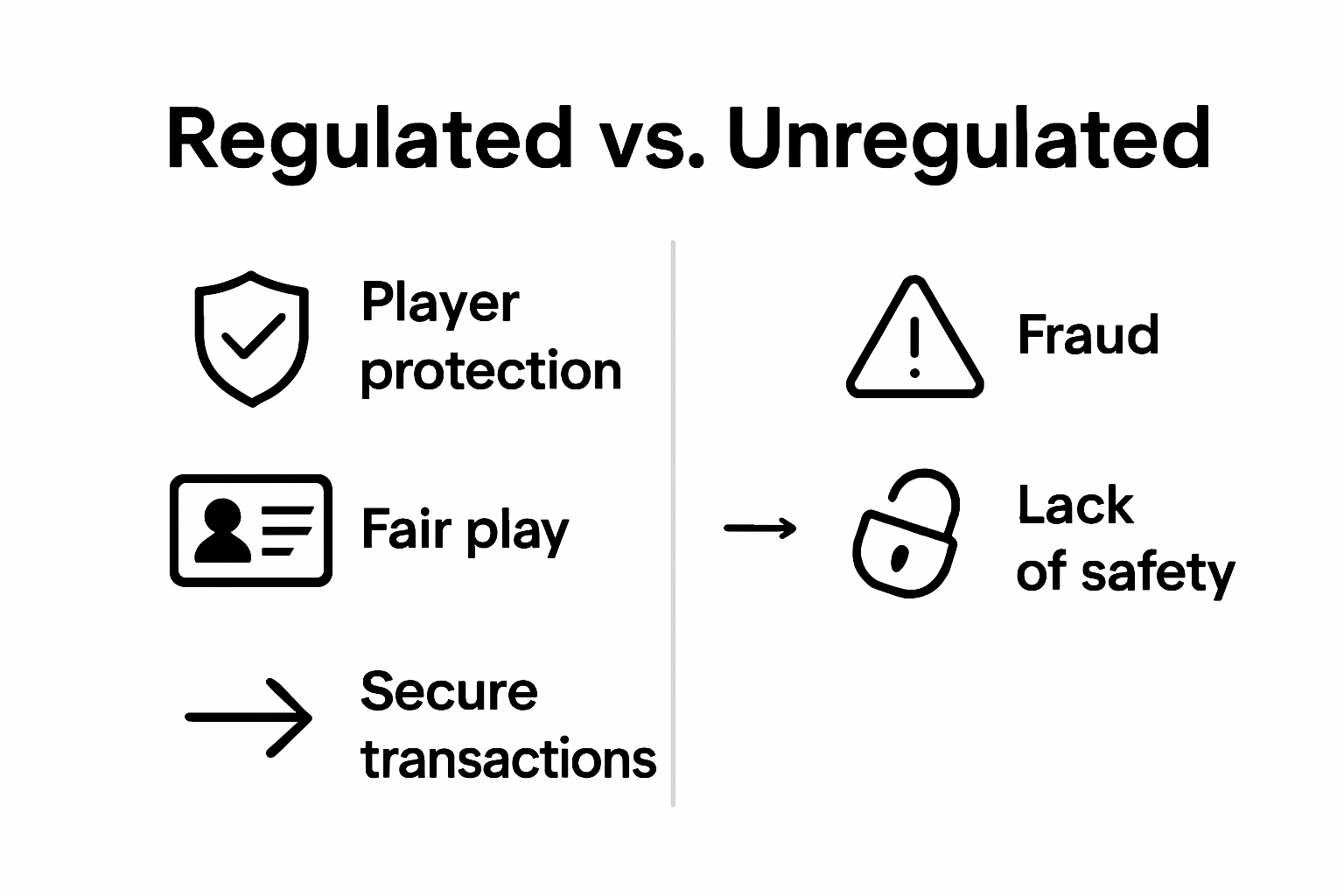
Responsible online gambling requires careful platform selection, prioritizing licensed and regulated operators that demonstrate transparent practices and robust security protocols. Players must recognize that attractive bonuses or seemingly favorable odds on unregulated platforms often mask significant underlying risks. By choosing regulated platforms, users gain critical protections including fair game algorithms, secure financial transactions, age verification, and established mechanisms for addressing potential disputes or problematic gambling behaviors.
Stay Protected and Play Confidently with Betco
Navigating the complexities of gambling laws is essential for every online bettor to ensure a safe and fair gaming experience. The article highlights the importance of regulatory compliance, age verification, and responsible gaming practices as core protections that shield players from risks like fraud and unfair play. At Betco, we understand these challenges and incorporate robust security features and responsible gambling tools designed to empower you.

Discover a regulated environment where your safety comes first. Explore our comprehensive approach to player protection on Responsible Gambling and Security | Betco and enjoy a diverse selection of games from our Online Casino Games | Betco category. Make your move today at https://betco.ag and experience gaming with confidence, transparency, and fairness.
Frequently Asked Questions
What are gambling laws and why do they matter for online bettors?
Gambling laws are regulatory frameworks that govern betting activities, ensuring consumer protection, financial transparency, and preventing fraud. They matter for online bettors as they establish the legal landscape that protects users and ensures fair play.
How do gambling laws protect players in online betting environments?
Gambling laws protect players by enforcing age restrictions, requiring identity verification, and mandating responsible gaming practices. These regulations help create a safer gambling environment by providing mechanisms for dispute resolution and protecting against fraud.
What risks do unregulated gambling platforms pose to bettors?
Unregulated gambling platforms pose significant risks such as potential financial fraud, lack of player fund protection, absence of fair gaming guarantees, and vulnerabilities to identity theft. Players have little to no recourse in incidents of misconduct.
How can online bettors ensure they’re using a regulated gambling platform?
Online bettors can ensure they’re using a regulated platform by verifying if the operator holds the necessary licenses, checking for transparent practices, and looking for established security protocols. Prioritizing sites that demonstrate compliance with gambling laws is essential for protecting user interests.